Not every patient walking into Face Doctors wants injectables. Many are dealing with dullness, rough texture, congestion, fine pigmentation or skin that simply looks tired. They know their skin needs refreshing, but they are not always sure which resurfacing treatment suits them.
That uncertainty is understandable because medical grade peels, dermaplaning, and microdermabrasion can all improve skin texture and brightness, but they do so in different ways. The right choice depends on what the skin is doing, how much downtime is acceptable, and what problem you are actually trying to solve.
A good resurfacing plan starts with skin behaviour, not trend appeal.
Why These Treatments Get Confused
From the patient’s perspective, all three treatments sound similar. They promise exfoliation, brighter skin and smoother texture. But clinically, they are quite different.
Dermaplaning is a manual exfoliation treatment using a medical-grade scalpel to remove superficial dead skin and fine vellus hair. Face Doctors describes it as epidermal levelling that exfoliates the skin’s surface and removes peach fuzz without affecting the hair follicle itself.
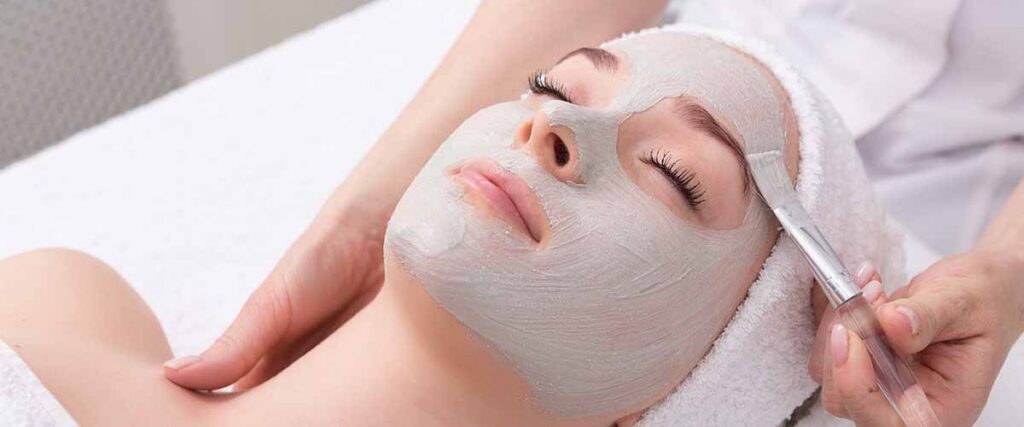
Microdermabrasion is a mechanical resurfacing treatment. Face Doctors describes its crystal-based system as a non-invasive exfoliation process that removes dead skin particles to leave skin smoother, brighter and firmer, with virtually no downtime.
Medical grade peels work chemically rather than mechanically. Their job is to accelerate controlled exfoliation and cellular turnover using active acids tailored to the skin concern being treated.
At Face Doctors, these are not interchangeable treatments, even though they can overlap in some results.
When Dermaplaning Makes The Most Sense
Dermaplaning tends to suit patients whose main concerns are:
- dull skin
- rough surface texture
- buildup of dead skin
- makeup not sitting smoothly
- visible vellus hair contributing to a flat appearance
It is particularly appealing for patients who want immediate brightness with very little downtime. Because it also removes fine facial hair, many patients find the skin looks cleaner and reflects light better afterwards.
It is a good maintenance treatment, and it can also prepare the skin for better product penetration. Where Face Doctors would be more cautious is in inflamed acne, very reactive skin, or patients who need deeper correction for pigmentation or scarring.
When Microdermabrasion Is The Better Option
Microdermabrasion treatment tends to suit patients wanting a more traditional resurfacing approach focused on exfoliation and texture refinement. It can be useful where the skin feels congested, thickened or lacklustre, and where the patient wants a polishing effect without moving into a stronger peel.
Because it is a mechanical treatment, it is often chosen by patients who prefer a more familiar, low-commitment skin refresh. It can sit well as part of an ongoing maintenance programme.
That said, if a patient is hoping to significantly shift pigmentation, deeper textural issues or more stubborn skin concerns, microdermabrasion alone may not be enough.
Where Medical Grade Peels Fit Best
Medical grade peels are usually the better choice when the issue goes beyond surface dullness.
They may be considered for:
- uneven pigmentation
- acne-prone skin
- rough texture
- mild photodamage
- early signs of ageing
- skin that needs a stronger reset than simple exfoliation
The advantage of a peel is that it can be selected based on the problem. The downside is that not every patient wants the downtime, flaking or temporary sensitivity that can come with a stronger treatment.
This is why assessment matters. A peel can be excellent in the right skin and poorly tolerated in the wrong one. Consult with Face Doctors and we will guide you through the best treatment plan for your skin.
The Role Of Skin Type, Downtime And Goals
This is where treatment choice becomes more individual.
If a patient wants:
- immediate smoothness before an event, dermaplaning may suit best
- brightening and polish with minimal interruption, microdermabrasion treatment may be appropriate
- a stronger corrective approach for tone or texture, a medical grade peel may be the better path
There is no universally superior option. The right answer depends on what the skin needs and what the patient is prepared for in terms of aftercare and recovery.
Why These Treatments Sometimes Work Better As Part Of A Plan
Skin resurfacing is rarely about a single session solving everything.
Many patients do best when resurfacing is integrated into a broader treatment strategy. For example:
- dermaplaning can improve surface smoothness before other skin treatments
- microdermabrasion treatment can support regular maintenance
- a medical grade peel may be used periodically for correction
- Dermapen microneedling may be added later when collagen stimulation is needed rather than simple exfoliation
This layered approach is often what creates the most consistent skin quality over time.
Patients already exploring broader rejuvenation treatments often Face Doctors’ published blog Preventative Aesthetics: When To Start Botox And Fillers For Long-Term Skin Ageing helpful, because it explains how surface treatments and injectables can fit into different stages of care without competing with each other.
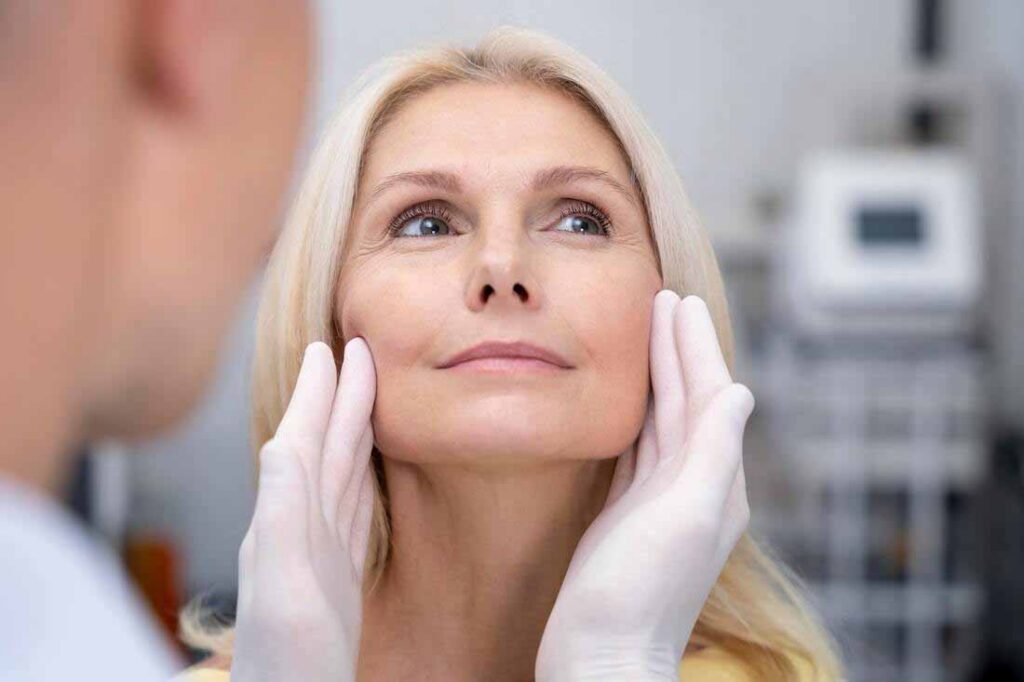
Why Skin Assessment Comes First
Choosing resurfacing based on what looked good on someone else is rarely the right way to do it.
A good consultation should identify:
- whether the problem is superficial or deeper
- whether the skin is sensitive, congested or inflamed
- whether pigmentation, texture or dullness is the dominant issue
- how much downtime is acceptable
- whether the patient is better suited to a maintenance treatment or a corrective plan
Without that, it is easy to choose a treatment that sounds appealing but does not meaningfully address the concern.
Deciding Which Resurfacing Treatment Is Right For You
Dermaplaning is excellent for surface dullness and peach fuzz. Microdermabrasion treatment is useful for brightness and ongoing maintenance. Medical grade peels are stronger corrective tools when the skin needs more than simple exfoliation.
The best outcomes usually come from being clear about what the skin is actually asking for. Once that is understood, the treatment choice becomes much easier, and the results are usually much more satisfying.
Book a consultation with Face Doctors, and we will point you in the right direction.