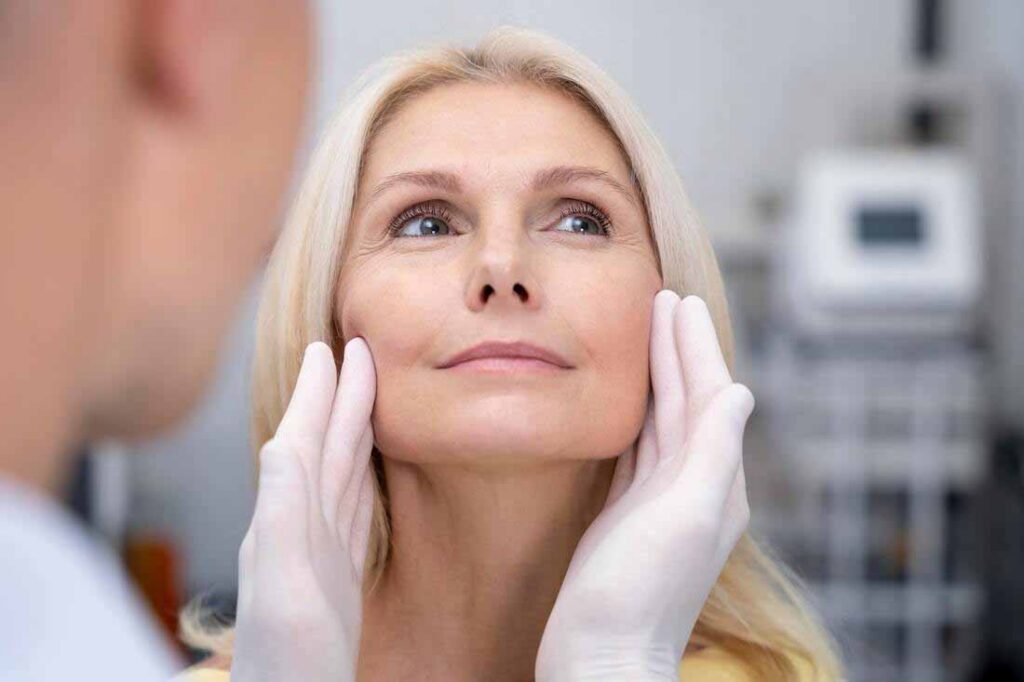
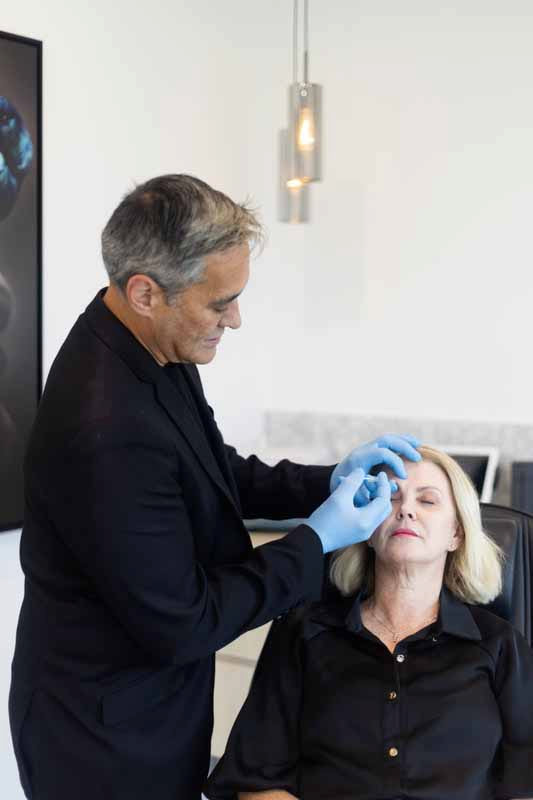
This article explains what preventative aesthetics really involves, how it differs from corrective treatment, and how injectables can be used thoughtfully at different life stages to support long-term skin ageing.
What Preventative Aesthetics Really Means
It does not mean:
- Starting injectables at a fixed age
- Treating areas that do not yet need support
- Using high doses or large volumes early on
- Trying to look younger than your natural appearance
Instead, preventative treatment is about:
- Reducing repetitive muscle movement that leads to etched lines
- Supporting skin quality and hydration
- Maintaining structural balance as subtle volume changes begin
Prevention Versus Correction: Understanding the Difference
Preventative treatments are typically:
- Lower dose
- More targeted
- Focused on movement, hydration and early support
Corrective treatments often involve:
- Treating deeper lines or volume loss
- Restoring structure after changes are well established
- More comprehensive planning across multiple areas
Both approaches can be appropriate at different times. What matters is recognising which stage you are at, rather than focusing on age alone.
There Is No “Right Age” to Start
Some people develop dynamic lines in their late twenties due to strong facial muscle movement. Others may not see noticeable changes until much later. Genetics, sun exposure, stress, skincare habits and facial anatomy all play a role.
Rather than asking “How old should I be?”, a better question is:
“What changes are beginning to appear, and how can they be supported appropriately?”
At Face Doctors, assessment is based on skin behaviour and facial movement, not age milestones.
Anti-Wrinkle Injections and Dynamic Lines
Anti-wrinkle injections can be used preventatively to:
- Soften excessive muscle contraction
- Reduce the formation of deeper static lines
- Maintain natural expression while limiting strain
Preventative treatment typically involves lower doses and conservative placement. The aim is not to remove movement entirely, but to reduce repetitive stress on the skin.
You can learn more about how anti-wrinkle injections are used as part of a preventative approach at Face Doctors.
Skin Boosters and Early Skin Quality Changes
Skin boosters are injectable treatments designed to improve skin quality rather than add volume. They work by supporting hydration, elasticity and overall skin health.
Skin boosters can be useful preventatively for:
- Dull or dehydrated skin
- Early creasing rather than deep lines
- Maintaining skin quality alongside good skincare
These treatments are often suitable for patients who aren’t ready for volume-based injectables but want to support skin ageing at a deeper level.
Our skin boosters are commonly incorporated into preventative treatment plans for patients focused on long-term skin health.
Light Filler Use for Structural Support
Light, strategic filler placement can:
- Support areas prone to early volume loss
- Maintain facial balance as subtle changes begin
- Reduce the likelihood of heavier correction later
This approach is not about creating volume where it does not belong. It is about preserving structure and proportion.
Our dermal fillers are used conservatively, with facial harmony and long-term outcomes in mind.
Why Personalised Assessment Matters More Than Timing
Factors we assess at Face Doctors include:
- Facial anatomy and bone structure
- Muscle strength and movement patterns
- Skin quality and elasticity
- Lifestyle and environmental factors
- Individual goals and concerns
This allows us to recommend treatments that are appropriate now, rather than following trends or assumptions. Preventative aesthetics should feel considered, not rushed.
It Is Never “Too Late” to Start Thoughtfully
Preventative principles still apply, even when correction is needed. Supporting skin quality, managing muscle movement and restoring balance all contribute to better outcomes over time.
The focus simply shifts from prevention alone to a combined approach.
Making Informed & Confident Decisions
If you are considering Botox®, fillers or skin boosters and want guidance tailored to your skin and facial structure, a professional consultation is the best place to start.
A personalised assessment allows us to recommend what is appropriate now, and what can wait, so your results remain natural and balanced over time.