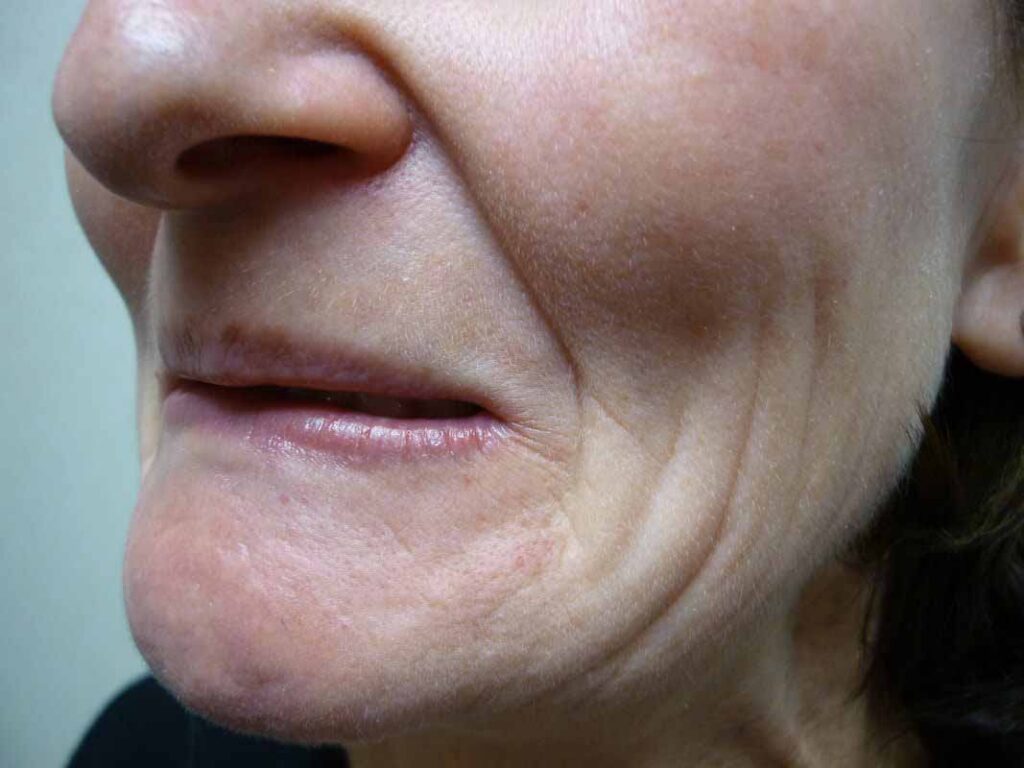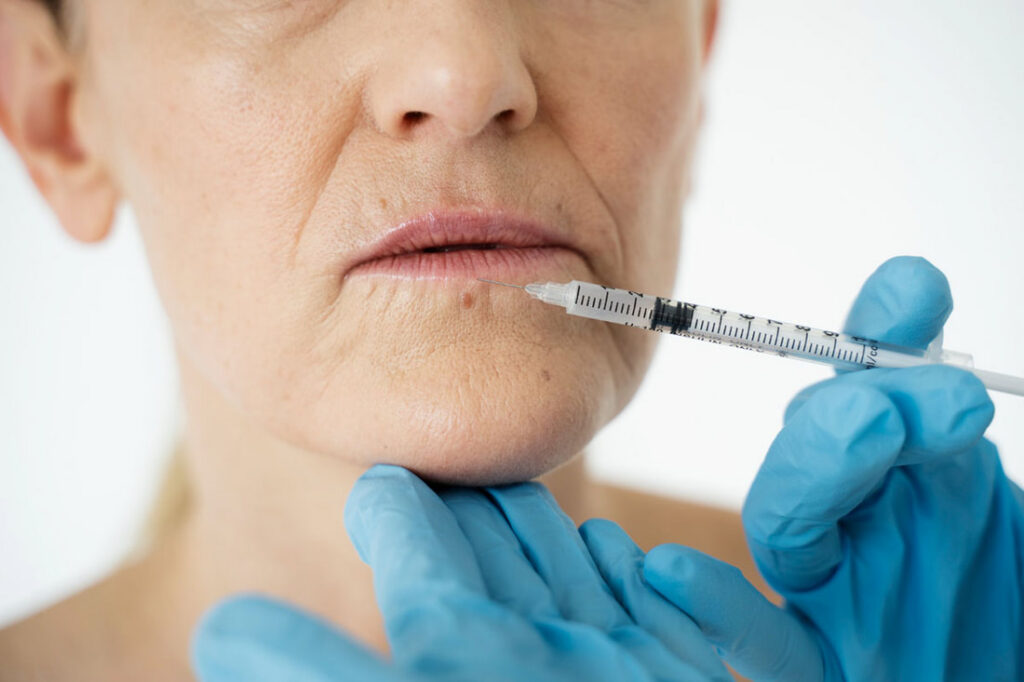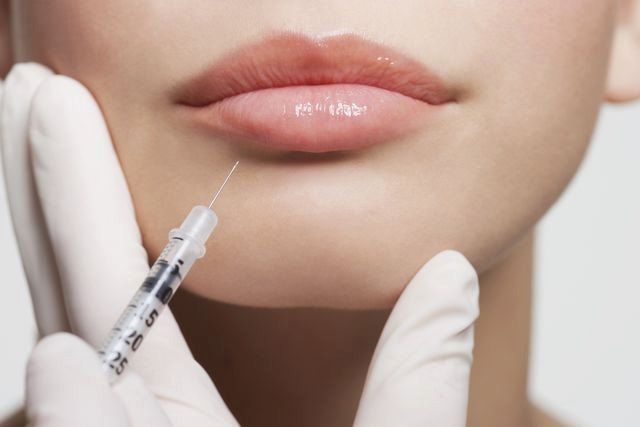

Cosmetic injectables are now one of the most requested aesthetic treatments in New Zealand. Treatments such as dermal fillers and anti-wrinkle injections can soften lines, restore facial volume and improve balance across the face with very little downtime. Despite how common these treatments have become, many patients still feel uncertain before their first appointment. Concerns often centre around looking overfilled, choosing the wrong clinic or experiencing complications.
These concerns are completely understandable. Cosmetic injectables may be widely available, but they are still medical procedures. The skill and training of the injector play a significant role in both safety and the final result.
At Face Doctors, treatments are guided by medical training, facial anatomy and a conservative philosophy that prioritises natural outcomes.
Cosmetic Injectables Are Not Just Beauty Treatments
Injectables are often discussed in beauty magazines and social media, which can make them appear simple or purely cosmetic. In reality, injecting product into the face requires a detailed understanding of anatomy.
The face contains a complex network of blood vessels, nerves and structural layers. Each of these elements must be considered before any product is placed.
Two areas of anatomical knowledge are particularly important.
Blood Vessels and Circulation
Arteries and veins run throughout the face, supplying oxygen and nutrients to the skin and underlying tissues. Injecting near these vessels requires careful technique and a clear understanding of their pathways.
Medical training helps injectors avoid high-risk areas and recognise early warning signs if circulation becomes compromised.
Facial Structure
The face is supported by bone, fat compartments, ligaments and muscle movement. Ageing affects each of these layers in different ways.
A well-trained injector understands how these structures interact. Instead of simply filling lines, treatment should support the natural framework of the face.
This is often why treatments such as dermal fillers are used to restore support in areas like the cheeks or chin rather than focusing only on surface wrinkles.
Training Influences Both Safety and Results
Injecting cosmetic products is not simply about learning where to place a needle. Training involves understanding how products behave, how facial anatomy changes with age and how to respond if complications occur.
Experience also plays an important role in achieving subtle results.
Understanding Product Behaviour
Different fillers have different textures and purposes. Some are soft and flexible, making them suitable for delicate areas like the lips. Others are firmer and designed to provide structural support.
Knowing which product to use, and how deeply it should be placed, helps maintain natural proportions.
For example, treatments such as lip fillers require precision and restraint, while structural treatments like chin filler support the lower face and influence overall facial balance.
Recognising and Managing Complications
Serious complications are uncommon, but experienced injectors are trained to recognise and respond to them immediately.
Medical knowledge ensures that appropriate protocols are in place and that patients are treated in a professional clinical environment.
This level of preparation is one of the reasons patients often seek treatment from medically trained clinics rather than providers with limited training.
Why Experience Matters for Natural Results
Many patients say their biggest fear is looking unnatural. Overfilled lips or overly sculpted cheeks are often the result of poor planning rather than the treatment itself.
An experienced injector looks at the entire face before recommending treatment.
Instead of focusing on one feature, they consider questions such as:
- How do the cheeks support the lower face?
- Does the chin balance the profile?
- Are lines caused by volume loss elsewhere?
This broader perspective helps avoid the common mistake of treating features in isolation.
At Face Doctors, treatment plans are designed to improve harmony across the face rather than dramatically altering one area.
When Injector Experience Is Limited
Not all complications arise from the products themselves. Many occur when treatments are performed without sufficient anatomical understanding.
Common issues include:
Filler migration
Product may move away from the intended treatment area if placed incorrectly or in excessive amounts.
Asymmetry
Uneven placement can disrupt facial balance and create noticeable differences between the two sides of the face.
Vascular complications
In rare situations, filler can affect blood flow if injected incorrectly.
Choosing an experienced injector significantly reduces these risks.
Why Treatment Planning Matters More Than Product
Patients often ask which filler brand is best. While product quality is important, the outcome of treatment usually depends more on the injector’s approach.
A thoughtful treatment plan considers facial proportions, skin quality and long-term ageing patterns.
Gradual improvement often produces the most natural results. Rather than large volumes of filler in a single appointment, smaller adjustments over time allow the face to adapt while maintaining balance.
Treatments such as anti-wrinkle injections may also be used alongside fillers to soften muscle movement and enhance overall results.
Choosing a Clinic You Can Trust
For patients considering cosmetic injectables, selecting the right clinic is one of the most important decisions.
A reputable clinic should provide:
A thorough consultation
Time to discuss concerns, review facial structure and explain realistic outcomes.
Medical oversight
Treatments performed in a clinical environment with appropriate training and safety protocols.
Honest advice
A good injector will recommend conservative treatments and may even advise waiting if it leads to a better long-term result.
Patients considering treatment can arrange a consultation at Face Doctors to discuss goals, assess facial anatomy and develop a personalised treatment plan.
The Value of Expertise in Aesthetic Medicine
Cosmetic injectables are powerful tools when used correctly. They can restore volume, soften expression lines and improve facial harmony in subtle ways.
However, the difference between natural enhancement and unnatural results often comes down to the expertise of the injector.
Training, anatomical knowledge and conservative planning all play a role in ensuring treatments support the natural structure of the face.
When patients choose an experienced clinic and take time to plan treatments carefully, the goal remains simple: refreshed, balanced results that still look like you.