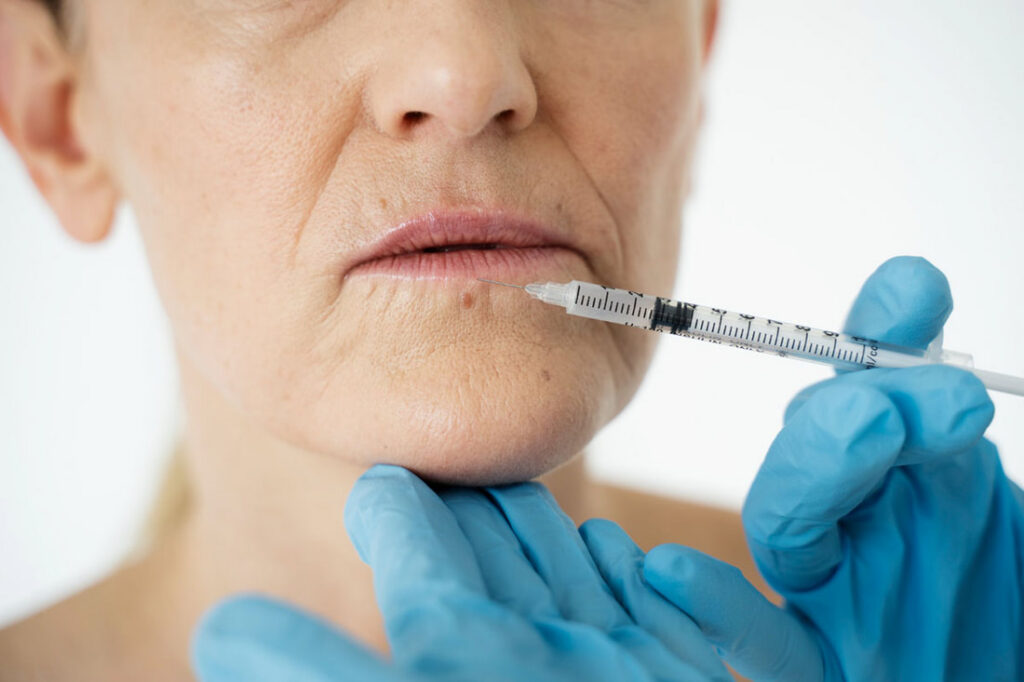

This article explains what facial balancing really means, why isolated treatments can sometimes look unnatural, and how a carefully planned injectable approach can enhance your features while still looking like you.
What Facial Balancing Means in Aesthetic Medicine
The face is not made up of separate parts. Changes in one area can affect how another area appears. Ageing, genetics and lifestyle factors all influence this balance over time.
At Face Doctors, facial balancing means:
- Assessing bone structure, soft tissue and muscle movement
- Understanding how volume loss or muscle activity affects facial shape
- Using subtle adjustments across multiple areas rather than focusing on a single feature
Why Treating One Area in Isolation Can Look Unnatural
For example:
- Adding volume to lips without addressing chin support can make lips project unnaturally
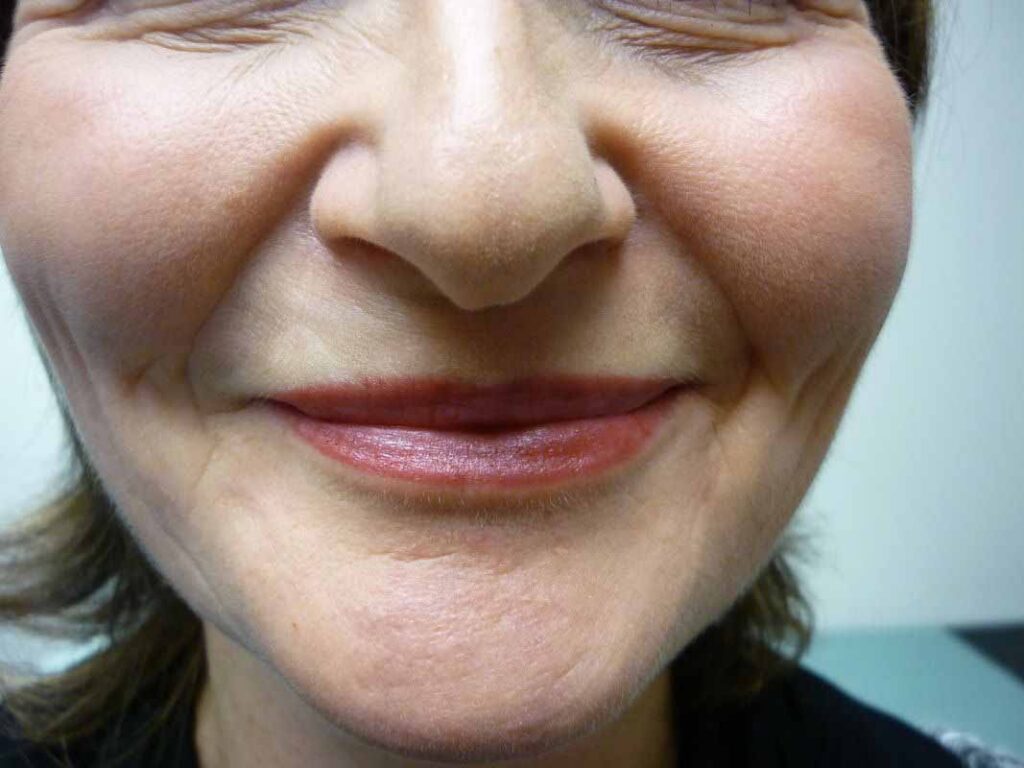
- Treating smile lines alone without cheek support can lead to heaviness around the mouth
- Softening lines in one area while ignoring muscle pull elsewhere can create imbalance
This is often where the fear of looking “overfilled” comes from. It is not about injectables themselves, but about how and where they are used.
Facial balancing avoids this by looking at the cause rather than just the visible concern.
How Injectables Work Together Across the Face
These may include:
- Dermal fillers to restore structural support and contour
- Anti-wrinkle injections to reduce muscle pull that contributes to imbalance
- Strategic placement rather than large volumes in a single area
Each treatment plays a different role, and when combined thoughtfully, the result is subtle and natural
You can learn more about our approach to dermal fillers as part of facial balancing, where structure and proportion are prioritised over volume.
Chin Support and Its Role in Lip Balance
In facial balancing, subtle chin filler can:
- Improve lower face proportion
- Reduce strain on the lips
- Allow lip enhancement to look softer and more natural
This approach is often more effective than adding volume to the lips alone. Our chin filler treatments are designed to support facial harmony rather than exaggerate features.
For patients considering lip enhancement, this broader assessment is key. Our lip fillers focus on balance, shape and support, not just size.
Cheek Support and Its Effect on Smile Lines
When cheek support decreases:
- Tissue shifts downward
- Smile lines deepen
- The face can appear tired or heavy around the mouth
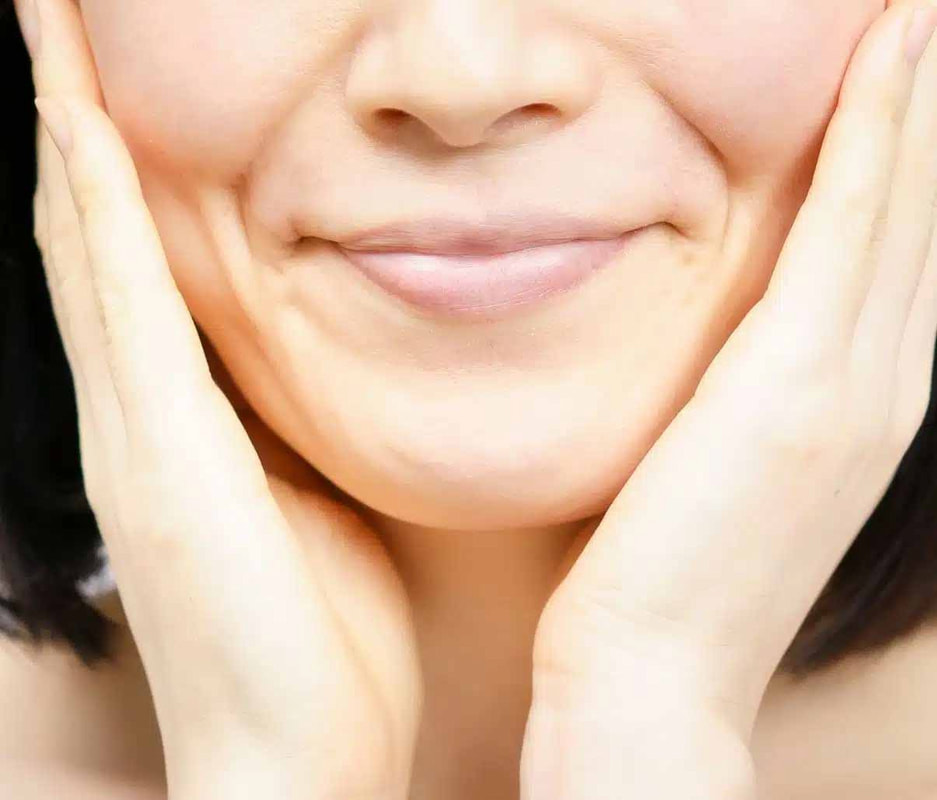
Rather than filling the fold directly, facial balancing often starts with the cheeks. Restoring cheek support can soften smile lines naturally and lift the midface without adding weight.
Our cheek fillers are used with this structural approach in mind, supporting the face from above rather than filling from below.
Lower Face Balance and Jawline Definition
Facial balancing in the lower face may involve:
- Supporting the jawline for structure
- Reducing downward muscle pull with anti-wrinkle injections
- Improving the relationship between chin, jaw and mouth
This can improve definition and softness at the same time, without creating a rigid or overly sculpted appearance.
Who Facial Balancing Is Best Suited For
- Want natural looking results
- Are concerned about looking overdone
- Have multiple areas of concern rather than a single feature
- Want long-term improvement rather than quick fixes
It is also well suited for first-time injectable patients, as it prioritises conservative treatment and gradual enhancement. Facial balancing is not about following trends or achieving a specific look. It is about respecting individual anatomy and enhancing what is already there.
The Face Doctors Approach to Facial Balancing
We take a medical, anatomy-led approach that prioritises:
- Safety
- Subtlety
- Long-term facial health
Treatments are tailored to each individual, and plans are adjusted over time as the face changes. The aim is always balance, not excess.
If you are considering injectables but want results that feel natural and considered, facial balancing offers a more thoughtful way forward.