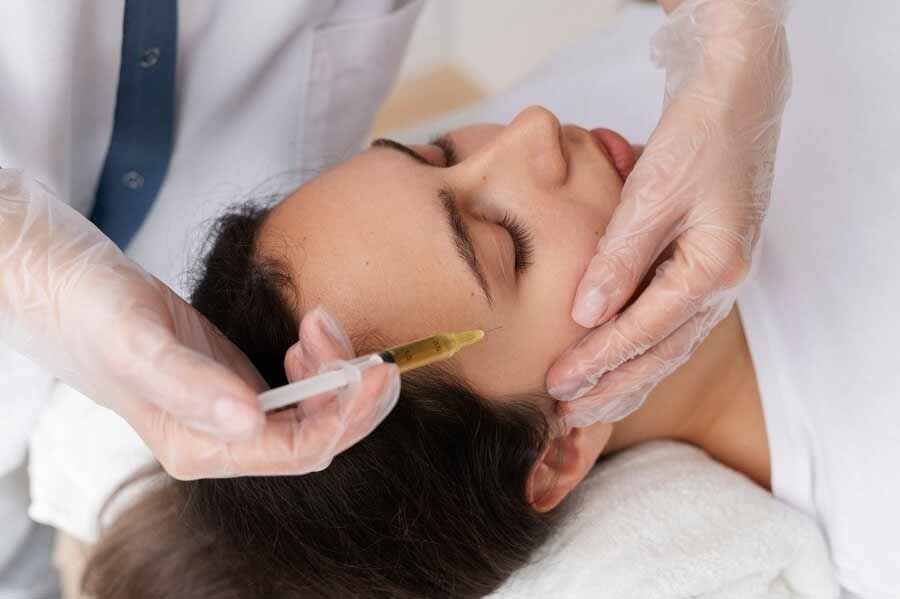
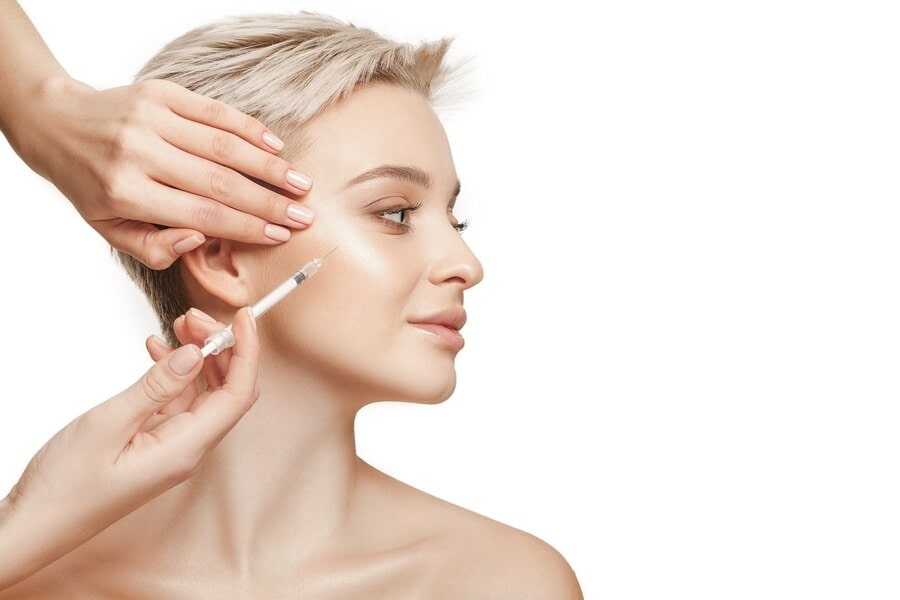
Botox® is a cosmetic treatment designed to reduce wrinkles and fine lines. This procedure has become more popular and is a common way for people to retain their youthful appearance while boosting confidence and self-image. It’s well-known for having quick results and minimal downtime, making it a good choice for nearly any kind of patient.
Before you commit to any kind of procedure, it’s very important that you research it so you understand what will happen, as well as any benefits and potential risks. Let’s have an in-depth conversation about this procedure and why it may be right for you.
How Does It Work? The Science Behind This Popular Cosmetic Treatment
Botox® is the name for botulinum toxin, a toxin created by the bacterium Clostridium Botulinum. This toxin blocks nerve signals to muscles to cause a mild form of muscle paralysis that can last for months.
Focused muscle paralysis can prevent facial muscles from contracting, reducing the appearance of lines. However, it doesn’t stop facial expressions altogether and is generally a safe and effective option to reduce wrinkles and stop new wrinkles from forming. However, it’s also very important to understand that this can’t heal every wrinkle, and you should discuss your potential results with your doctor.
The use of toxins may sound intimidating at first, but this procedure only uses very minimal amounts of toxin, so you don’t have to worry about the effects of high concentrations of botulinum toxin. In fact, this substance is also used to treat other medical conditions as well.
What Areas Can Botox® Treat?
Here are a few of the most common areas individuals choose:
- Forehead Lines
- Crow’s Feet
- Frown Lines
These are the most popular areas treated, but they’re not the only ones. Discuss your particular skin and appearance concerns with your doctor to discover the best options for you. Your doctor can suggest areas that they think would work well for you, or they can even recommend alternative or additional procedures to better handle your situation.
What Occurs During A Botox® Session?
Consider these steps if you are interested in this particular cosmetic procedure:
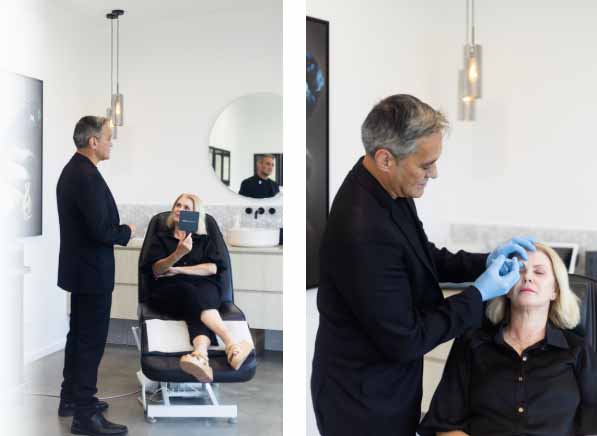
Consultation. First, you should discuss your concerns and desired effects with your doctor. Remember to be open and honest with them, and ask any questions you have regarding the treatment. You can also explore treatments that could help with what you’re experiencing. For example, if you’re concerned with your skin or fat under your chin, consider Belkyra – a treatment that focuses on destroying fat cells in this area.
Preparation. If you and your doctor decide that Botox® is the right choice for you, then your session will be scheduled, and you will prepare. Ask your doctor if you should avoid any kind of medication, such as blood thinners. Other than that, there aren’t any extensive preparation procedures needed as this is a minimally invasive option.
Injection. Your doctor will administer small injections in the target areas. The entire process is relatively quick, often taking under 20 minutes or so, depending on the extensiveness of the treatment.
The injections are minimally painful, and no anesthesia is needed. Most patients describe the feeling as a small pinch.
Aftercare. One of the major perks of Botox® is that no major aftercare or recovery is needed. You may be advised to avoid lying down or strenuous activities for a few hours after your injections. Other than that, no significant steps are needed.
Results generally appear within three to five days, with full effects visible in around two weeks. The end results typically last between three to six months. Of course, individual factors like metabolism and muscle strength also play a role in your appearance. Talk to your doctor about what you should expect.
Does Botox® Have Risks?
Like any procedure, this treatment does have some risks. You may experience redness, swelling or bruising at injection sites. There is also the risk of having drooping eyelids or eyebrows.
To avoid these potential side effects, make sure you only get your injections from trained professionals. Always talk about the risks of any treatment you’re interested in with your doctor before you undergo them.
Restoring Your Appearance And Confidence In New Zealand
At Face Doctors, we’re happy to help our patients look and feel their best. We offer a variety of proven, reliable treatments, including Botox®. We have procedures for skin, wrinkles, fat, breasts, hair regrowth and more.
We know that each and every one of our patients is unique, so we invite you to tell us about your concerns and your goals so that we can determine the right path for you. Please feel free to contact us on 09 524 5665 or reach us through our website.
Find solutions that work for you with Face Doctors.
Botox® is a Prescription Medicine containing 100 units of clostridium botulinum Type A toxin complex for injection. It is used for the treatment of frown lines, crows feet and horizontal forehead lines. It should be administered only by trained medical professionals. Cautions: people with defective neuro-muscular transmission disorders, presence of infection at site of injection, glaucoma, pregnancy and lactation. Possible side effects include headaches, pain, burning or redness at injection site, local muscle weakness including drooping eye lids, lack of feeling & nausea. Talk to your specialist about the benefits/risks of this procedure or if you have concerns or side effects. Allergan Pharmaceuticals, Auckland.