Healthy, glowing skin is something many people want, but achieving and maintaining it is not always easy. Everyday factors such as sun exposure, pollution, ageing, stress, hormonal changes and an unsuitable skincare routine can affect your skin’s appearance and condition.
While many people rely on over-the-counter skincare products, some skin concerns require professional assessment and specialised treatments. This is where a professional skin clinic can help.
If you are considering visiting a skin clinic in Auckland for the first time, you might have questions about the services available, how treatments work and what happens during your initial appointment.
In this guide, we explain what a skin clinic does, which skin concerns it can address and what you should expect during your first visit.
1. What Does a Skin Clinic Do?
A skin clinic provides professional skincare consultations, assessments and treatments designed to improve the appearance and overall condition of your skin.
Depending on the clinic and its professional services, treatments may focus on concerns such as:
- Acne and acne scarring
- Fine lines and wrinkles
- Uneven skin tone
- Sun damage and pigmentation
- Enlarged pores
- Rough or uneven skin texture
- Dehydrated and dull skin
- Loss of skin firmness
- Signs of premature ageing
Unlike a standard beauty routine, professional skincare focuses on identifying individual skin concerns and recommending suitable treatments and products.
A skin clinic may offer medical-grade facials, chemical peels, LED light therapy, skin needling and other skin rejuvenation procedures.
2. Which Skin Concerns Can a Skin Clinic Help With?
Everyone’s skin is different. Some people want to address early signs of ageing, while others are concerned about acne scars, pigmentation or dullness.
Here are some common skin concerns that professional skincare treatments may help improve.
Acne and Acne Scarring
Acne can leave behind dark marks, uneven texture and depressed scars. Even after active breakouts have stopped, these concerns may remain.
Depending on the type and severity of scarring, professional options may include skin needling, specialised facials and other skin rejuvenation treatments.
Pigmentation and Dark Spots
Pigmentation can develop due to sun exposure, hormonal changes and ageing. It often appears as brown patches, dark spots or uneven skin tone.
Professional treatments such as medical-grade peels and specialised pigmentation therapies may help improve the appearance of discolouration.
Fine Lines and Wrinkles
As skin ages, collagen and elastin production gradually decrease. This can contribute to fine lines, wrinkles and reduced firmness.
A professional skincare consultation can help determine whether treatments such as skin rejuvenation, LED therapy or medical-grade skincare are suitable.
Dull and Uneven Skin Texture
Dead skin cell accumulation, dehydration and environmental exposure can make the skin look tired and uneven.
Professional exfoliation, microdermabrasion and customised facials may help improve skin smoothness and brightness.
3. What Happens During Your First Skin Clinic Appointment?
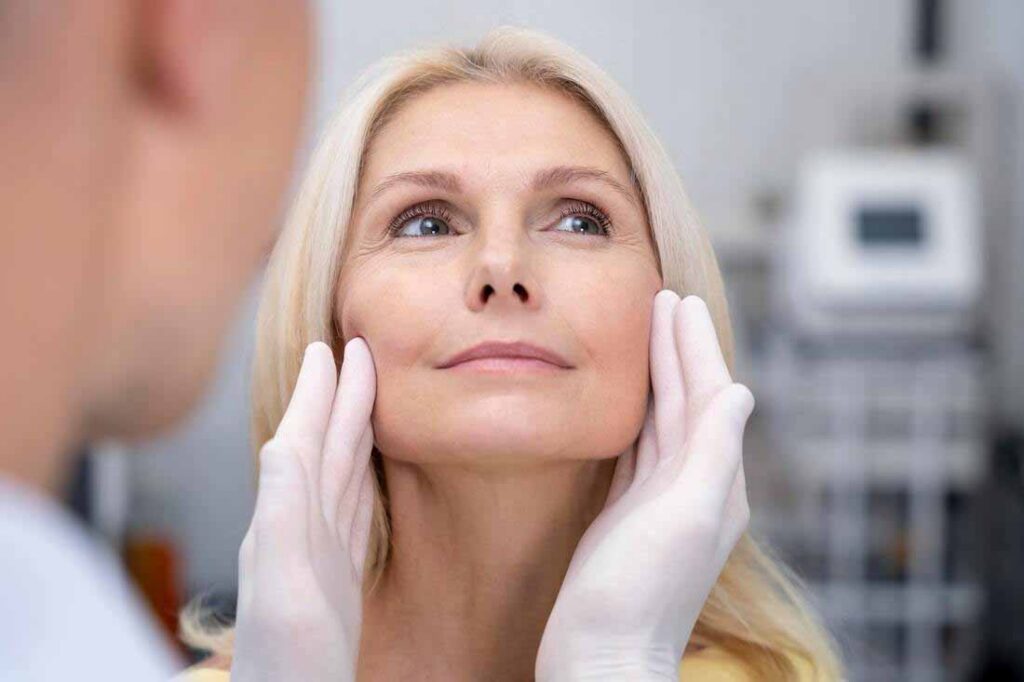
Your first visit is generally focused on understanding your skin and identifying the most appropriate treatment options.
Here is what you can typically expect.
Step 1: Initial Skin Consultation
Your appointment usually begins with a conversation about your skin concerns, skincare routine and treatment goals.
Your skincare professional may ask questions such as:
- What are your main skin concerns?
- Have you experienced acne, pigmentation or scarring?
- What skincare products are you currently using?
- Have you previously received professional skin treatments?
- Do you have sensitive skin or known product allergies?
Providing accurate information helps your practitioner understand your skin history and recommend appropriate options.
Step 2: Skin Assessment
The next step is evaluating your skin condition.
Depending on the clinic, this may involve examining your skin’s texture, hydration, pigmentation, pores and visible signs of ageing.
Some clinics also use specialised skin analysis equipment to assess particular skin characteristics.
This assessment helps identify your priorities and determine which treatments may be suitable.
Step 3: Personalised Treatment Recommendations
Once your skin concerns have been discussed, your practitioner can recommend a suitable treatment approach.
For example:
- Pigmentation may require specialised peels or pigmentation treatments.
- Acne scarring may benefit from skin needling or other resurfacing options.
- Dull skin may benefit from professional exfoliation or a customised facial.
- Early signs of ageing may be addressed through an appropriate skincare and rejuvenation plan.
Not every treatment is suitable for everyone. Your practitioner should explain the potential benefits, limitations, risks and expected recovery time before proceeding.
Step 4: Skincare Advice and Aftercare
Your first appointment may also include recommendations for your daily skincare routine.
You may receive advice about cleansing, moisturising, sun protection and selecting suitable active ingredients.
If you undergo a professional treatment, you should also receive specific aftercare instructions to help protect your skin during recovery.
4. What Treatments Are Available at a Professional Skin Clinic?
Modern skin clinics offer different treatments depending on their facilities, equipment and professional expertise.
At Face Doctors, clients can explore several skin and facial treatment options.
Some of the available treatments include:
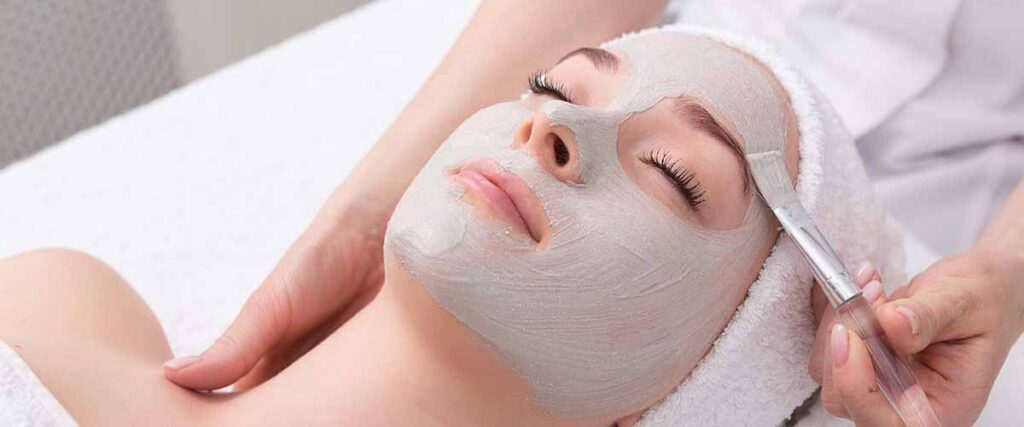
Medical-Grade Facials
Medical-grade facials are designed to cleanse, exfoliate and refresh the skin using specialised products.
They may include cleansing, exfoliation, facial massage, masks and professional serums selected according to individual skin requirements.
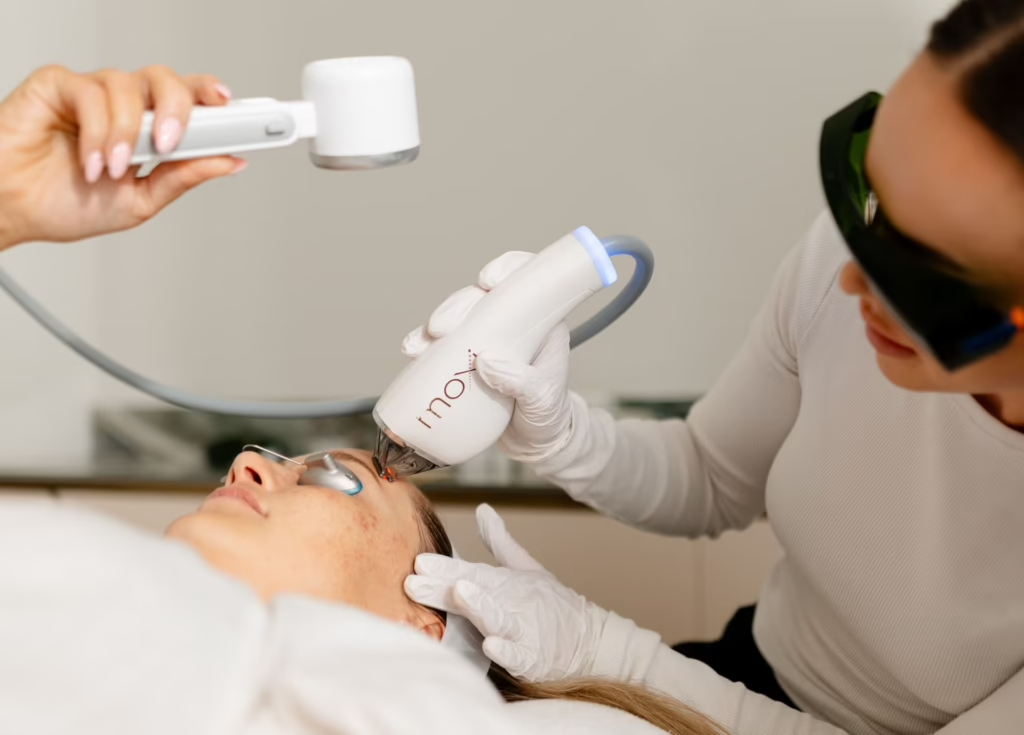
LED Light Therapy
LED light therapy uses specific wavelengths of light to support different skin goals.
Depending on the light used, it may help support skin rejuvenation and improve the appearance of certain skin concerns.
It is a non-invasive treatment option that can be incorporated into selected skincare programmes.
Skin Needling
Skin needling, also known as microneedling, uses fine needles to create controlled micro-injuries in the skin.
This process stimulates the body’s natural healing response and collagen production. It may help improve the appearance of acne scars, uneven texture and fine lines.
Medical-Grade Peels
Chemical peels use specialised solutions to exfoliate the skin and encourage skin renewal.
Different peel strengths are available depending on the skin concern and individual suitability.
Microdermabrasion
Microdermabrasion is a non-invasive exfoliation procedure that removes dead skin cells from the outer surface of the skin.
It may help improve skin smoothness and the appearance of dullness.
Choosing the right procedure depends on your skin condition, treatment goals and professional assessment.
5. How Should You Prepare for Your First Skin Clinic Visit?
A little preparation can make your first appointment more productive.
Consider following these simple tips:
Know your skin concerns: Make a note of the issues you want to address, whether pigmentation, acne scars, wrinkles or uneven texture.
Bring your skincare products: If possible, make a list of the products you currently use, including cleansers, moisturisers, serums and sunscreen.
Share your skin history: Inform your practitioner about allergies, previous treatments, medications and any existing skin conditions.
Avoid experimenting with new products: Do not introduce strong exfoliating products or active ingredients immediately before an appointment without professional advice.
Ask questions: Discuss treatment costs, expected results, possible side effects, recovery time and the number of sessions you may need.
Being informed helps you make confident decisions about your skincare journey.
6. How Do You Choose the Right Skin Clinic in Auckland?
Choosing a skin clinic is an important decision. You should look beyond attractive treatment offers and consider the clinic’s professional standards and approach to client care.
Here are some factors to consider:
- Qualified professionals: Check the qualifications and experience of the practitioners providing your treatment.
- Personalised consultations: Choose a clinic that assesses your skin before recommending procedures.
- Treatment options: Look for services that address your particular skin concerns.
- Quality skincare products: Ask about the products and ingredients used during treatments.
- Safety and hygiene: Ensure the clinic follows appropriate hygiene and treatment protocols.
- Transparent information: A professional clinic should explain treatment costs, potential risks and realistic expectations.
A good skincare experience should focus on your individual needs rather than recommending unnecessary procedures.
7. Discover Professional Skincare at Face Doctors Auckland
If you are looking for professional skincare guidance in Auckland, Face Doctors offers a range of skin treatments and medical-grade skincare options designed to address different skin concerns.
The clinic provides services including medical-grade facials, LED light therapy, Dermapen skin needling, medical-grade peels and microdermabrasion.
Clients can also explore professional skincare products from selected ranges, including DP Dermaceuticals, Aspect Dr, r-Retinoate and Ultra MD.
The right products and treatments depend on your skin condition, goals and professional recommendations.
Explore the available professional skincare products and solutions at Face Doctors to learn more about skincare options and find products suited to your individual requirements.
8. Frequently Asked Questions About Skin Clinics
Do I need a consultation before getting a skin treatment?
A consultation is recommended before starting a professional treatment. It helps your practitioner understand your skin concerns, review your history and determine which options may be suitable.
How long does a first skin clinic appointment take?
Appointment duration varies depending on the consultation and whether a treatment is performed during the same visit. Ask the clinic about the expected appointment length when booking.
Are skin clinic treatments suitable for sensitive skin?
Some treatments are suitable for sensitive skin, but not all procedures are appropriate for everyone. A professional assessment can help identify suitable options and reduce the risk of irritation.
How many treatments will I need to see results?
This depends on your skin concern, treatment type and individual response. Some treatments may produce visible improvements after one session, while others require multiple appointments.
Can I buy professional skincare products from a skin clinic?
Yes. Many clinics offer professional skincare products and guidance to help clients maintain their skin between treatments.
Final Thoughts
Visiting a skin clinic for the first time does not need to feel complicated. It is an opportunity to understand your skin better, discuss your concerns and explore professional solutions that match your needs.
Whether you want to improve pigmentation, reduce the appearance of acne scars, address early signs of ageing or simply maintain healthier-looking skin, starting with a professional consultation is a sensible approach.
For those exploring professional skincare in Auckland, Face Doctors offers a range of treatment and skincare options to help you take the next step towards your skin goals.
Book a consultation and discover a skincare approach designed around your individual needs.