Patients often know they want their skin to look smoother, fresher or tighter, but they do not always know which treatment category fits the concern they are seeing in the mirror. Some are dealing with acne scarring. Some are bothered by texture, enlarged pores or sun damage. Others feel the skin has become dull, uneven or slightly loose and they want something that goes further than a facial, but does not jump straight to surgery.
That is where Alma Opus® Microplasma Technology becomes relevant. It sits in a more advanced resurfacing category than a standard exfoliating treatment, but it also works differently from injectable treatments such as filler or anti-wrinkle injections. In simple terms, it is used when the goal is to improve the skin itself rather than add volume or change muscle movement.
What Alma Opus® Actually Is
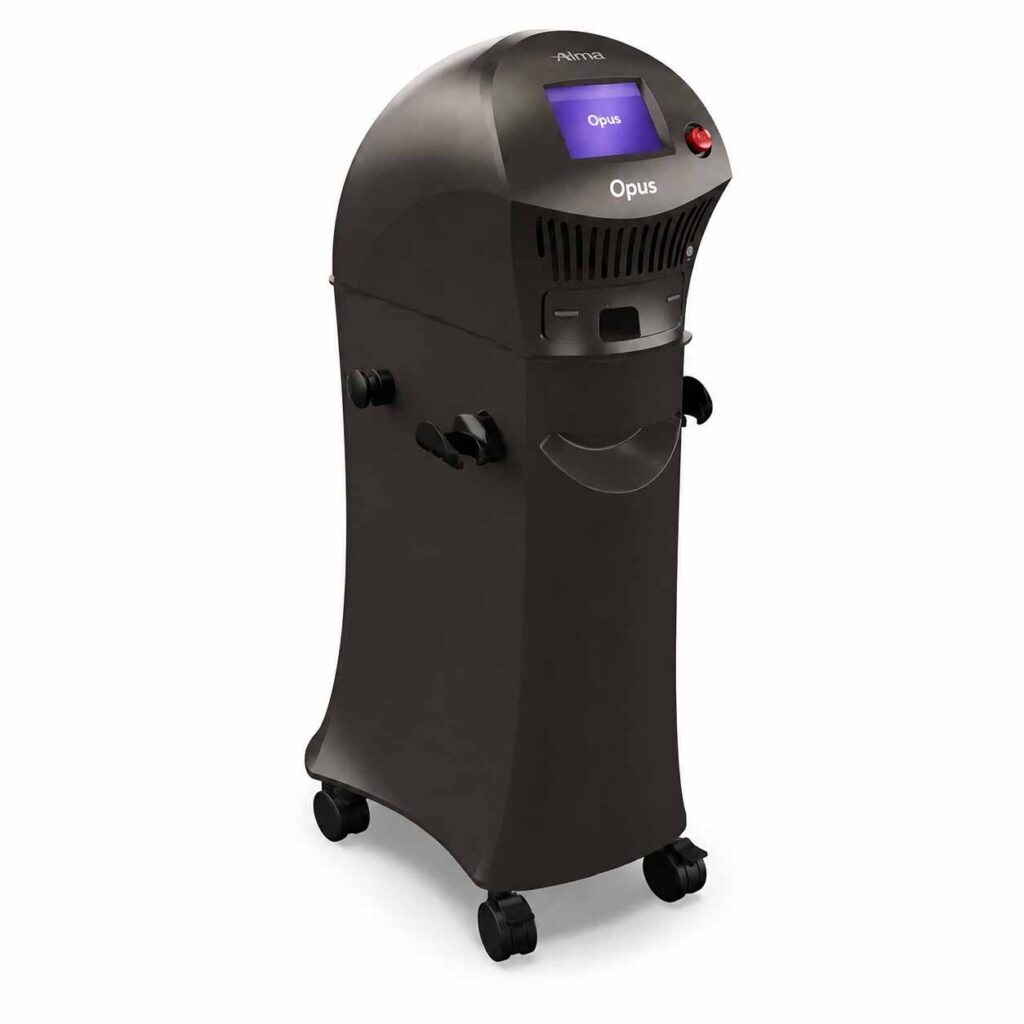
Alma Opus® is a skin resurfacing technology that uses fractional plasma energy to create controlled micro-injuries in the skin. Those controlled injuries stimulate repair, collagen remodelling and surface renewal.
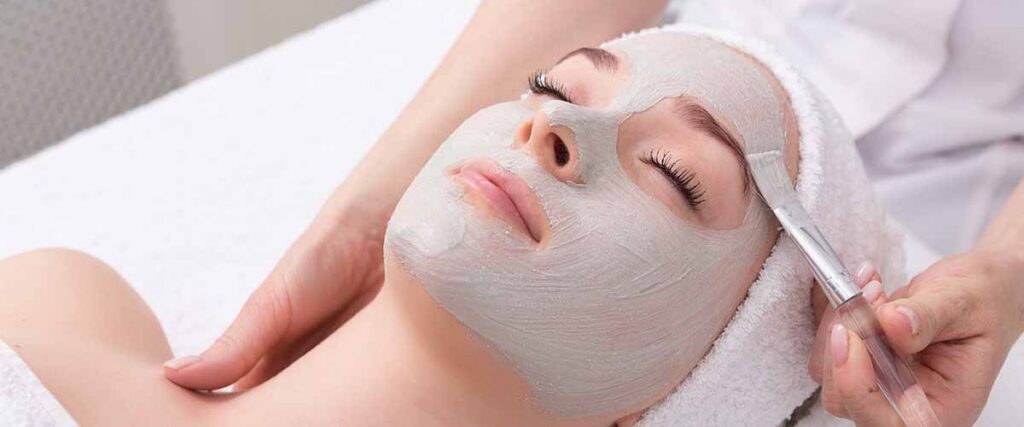
From a patient perspective, the easiest way to understand it is this: it is a treatment used to improve skin texture, tone and quality by encouraging the skin to behave in a healthier, more organised way during healing. It is not a peel, and it is not microneedling, even though all three sit somewhere in the resurfacing conversation.
That difference matters because patients often group every “skin renewal” treatment together, when the depth, intensity and expected result can be very different.
Who Alma Opus® Usually Suits Best
This treatment tends to suit patients who want a stronger corrective option for concerns such as:
- acne scarring
- rough texture
- enlarged pores
- fine lines
- uneven skin tone
- mild laxity
- early sun damage
It is also relevant for patients who feel simpler treatments have plateaued. Someone who has already tried lighter resurfacing and still feels the skin needs a meaningful reset may be a better candidate for Alma Opus® than for a superficial peel or polishing treatment.
This does not mean stronger is always better. It means the treatment should match the problem. A patient with minimal dullness before an event may do very well with Dermaplaning. A patient with deeper textural change or acne scarring may need something with more remodelling power.
How Microplasma Works
Microplasma technology works by delivering controlled energy into the skin in a fractional pattern. That creates tiny treatment zones while leaving surrounding tissue intact, which helps support healing.
The importance of that fractional approach is that it allows the skin to repair in a more organised way. During the healing response, collagen remodelling begins, surface irregularity can soften, and the skin gradually becomes smoother and firmer. This is why the result is usually progressive rather than instant.
Patients often expect all resurfacing treatments to behave like a scrub or exfoliation. Alma Opus® is not that. It is a regenerative skin treatment. The visible result comes from the skin’s response after treatment, not simply from removing dead cells on the day.
When It Is Better Than Peels
Peels are excellent in the right setting, but they are not always the best answer when the concern extends beyond superficial dullness or pigment.
A peel may be the better option when:
- the concern is relatively mild
- downtime needs to stay minimal
- the main goal is brightening or tone correction
- the patient wants a simpler, lower-intensity treatment
Alma Opus® may be the better option when:
- there is texture change that needs remodelling
- acne scarring is part of the concern
- mild laxity is present alongside surface damage
- the patient wants a more advanced resurfacing result
Pigmentation-focused pathways can also require a completely different discussion. For example, if the primary problem is melasma or recurrent pigment rather than textural change, a treatment plan built around Dermamelan® & Cosmelan® consultation may be more appropriate than plasma resurfacing.
When It Is Better Than Microneedling
Microneedling and Alma Opus® can both sit within collagen-stimulating treatment plans, but they do not behave the same way.
Microneedling tends to appeal when the goal is gradual collagen stimulation with a more conservative recovery profile. Alma Opus® is usually considered when the patient needs a stronger resurfacing and remodelling effect, especially where texture, scarring or more established photoageing are present.
This is why I would not frame one as universally superior. Instead, I would ask:
- is the concern mainly surface dullness, or deeper structural texture?
- how much downtime is realistic?
- does the skin need gentle stimulation, or stronger resurfacing?
Those questions matter because a treatment can be technically excellent and still be the wrong choice for the person sitting in front of me.
What Downtime And Recovery Usually Involve
Patients researching Alma Opus® usually want to know one thing very early: how obvious is recovery going to be?
That depends on treatment intensity, the area treated and the skin itself, but this is generally not a lunch-break treatment. Redness, warmth, dryness and a roughened healing texture are common in the short term. Some patients will also notice a bronzed or sandpapery feel while the treated skin renews.
This is part of the treatment doing what it is meant to do. The trade-off for a stronger resurfacing effect is that recovery tends to be more noticeable than with lighter options such as Dermaplaning or Alma TED Painless Skin Mesotherapy.
That does not make it excessive. It makes it important to plan properly.
Why Treatment Selection Matters More Than Trend Appeal
One of the biggest mistakes in aesthetic medicine is choosing a treatment because it sounds advanced rather than because it matches the skin.
A patient with dehydration and mild loss of skin bounce may do better with Profhilo® than with plasma resurfacing. A patient with pigment-first concerns may need a melasma-focused pathway. A patient with rough texture, scarring and visible skin fatigue may be a very good Alma Opus® candidate.
The answer is not always the newest device. The answer is usually the treatment that matches the skin’s actual behaviour.
Patients who want to understand how treatment planning works across the face as a whole often find our blog on Facial Balancing useful, because it helps frame why proper assessment matters more than treating one feature in isolation.
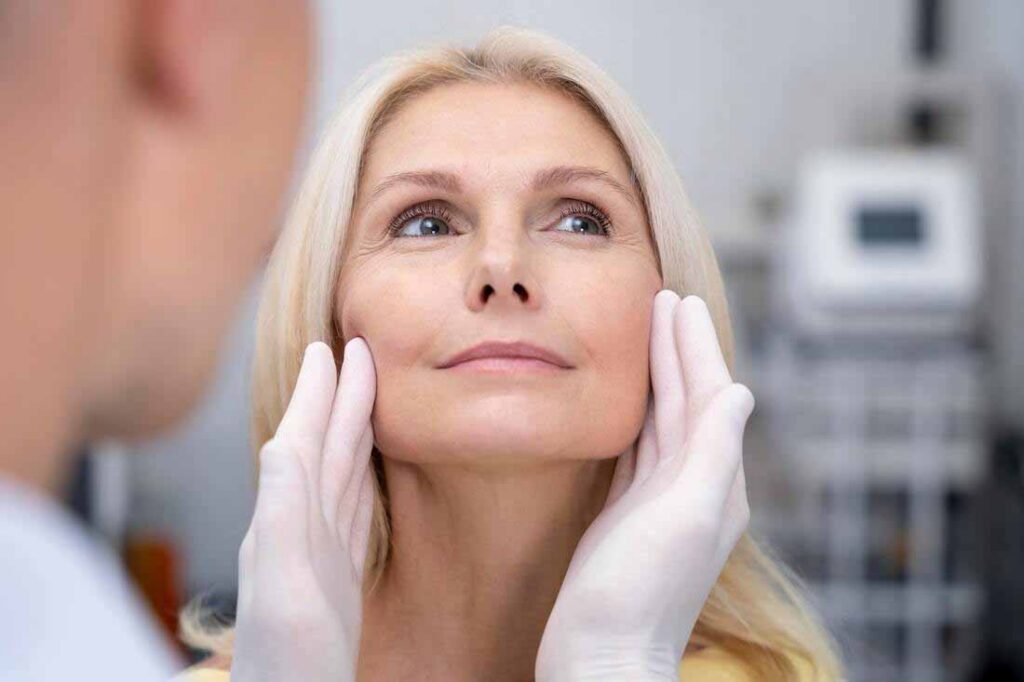
Who Should Start With A Consultation
A consultation is especially important before Alma Opus® because resurfacing intensity should always be matched to:
- skin tone
- texture
- sensitivity
- pigmentation risk
- downtime tolerance
- overall treatment goals
This is also the point where we can decide whether a patient is better suited to Alma Opus®, a simpler resurfacing option, or a more pigment-led treatment pathway. Starting with a Cosmetic Consultation Online or Skin Consultation Online makes that decision more precise and avoids treating on assumption.
Where Alma Opus® Fits In A Long-Term Skin Plan
Alma Opus® is best viewed as a corrective resurfacing tool rather than a casual maintenance treatment.
For the right patient, it can play a very useful role in improving texture, tone and collagen support. It may sit alongside injectable work, or it may be the central treatment in a skin-first plan. What matters is that it is chosen for the correct indication.
When the concern is genuinely about texture, scarring, mild laxity or stronger skin renewal, it can be an excellent option. When the concern is something else, there is usually a better tool available.