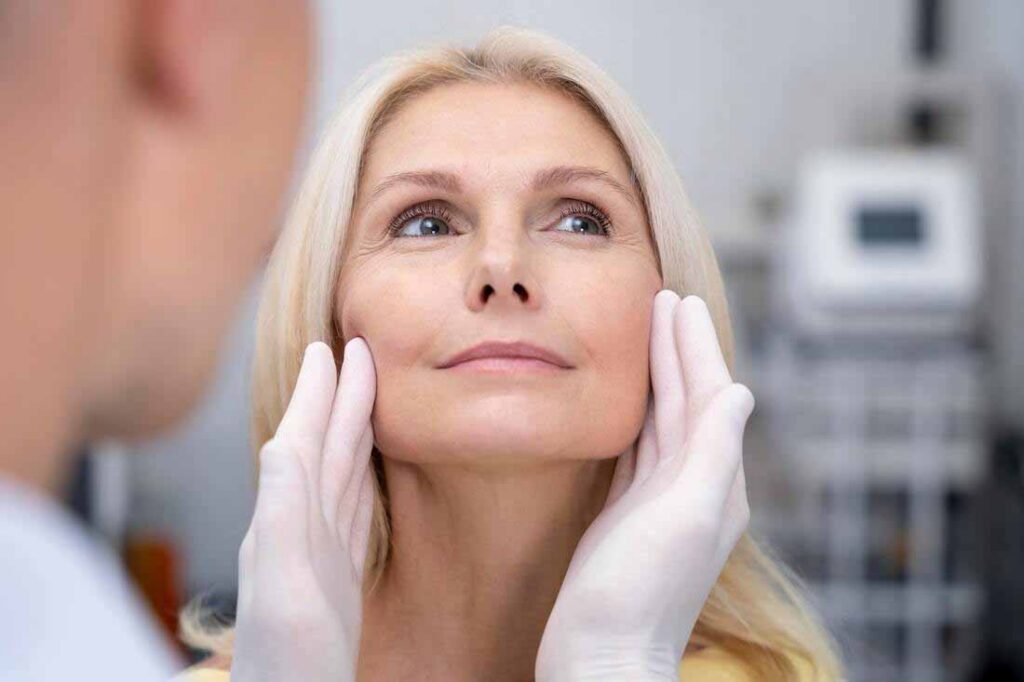
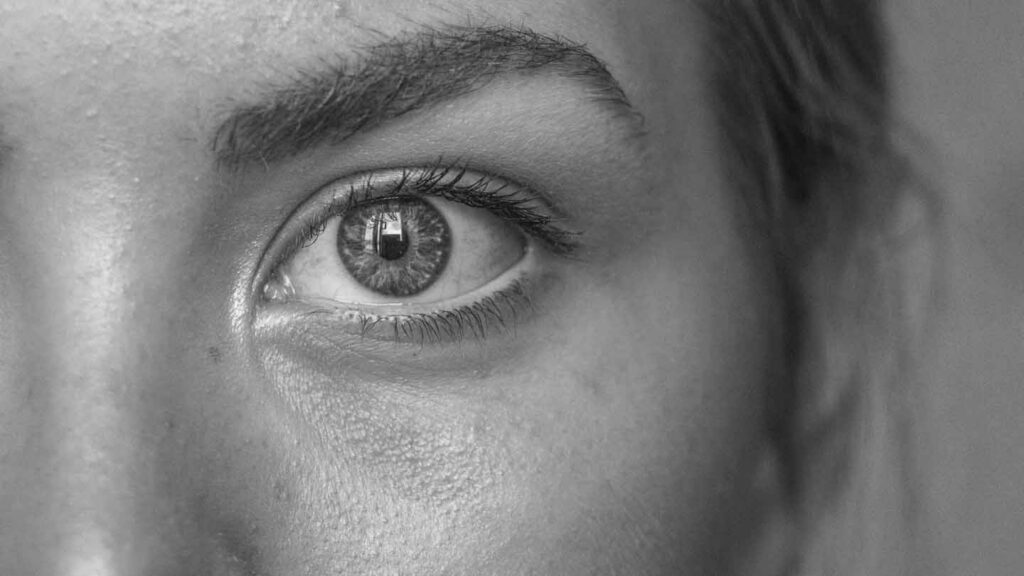
Under-eye concerns are one of the most common reasons patients book a consultation, but they are also one of the most misunderstood. Many people use the term “dark circles” to describe any tired-looking under-eye area, when in reality several different issues can create that appearance.
Some patients have true hollowing. Others have pigmentation, visible blood vessels, skin laxity or puffiness. The treatment depends entirely on the cause. This is why tear trough filler can work beautifully in the right patient and look disappointing, or even worse, in the wrong one.
In my practice, the first step is always to work out what is actually creating the shadow.
What The Tear Trough Actually Is
The tear trough is the groove that runs from the inner corner of the lower eyelid down toward the upper cheek. Everyone has this anatomical transition to some degree. It becomes more noticeable when there is a loss of support beneath the eye, either through ageing or genetics.
As the mid-face changes over time, the smooth blend between the lower eyelid and cheek can become more abrupt. When that happens, a hollow forms. Light catches the groove differently, and the area starts to look darker or more tired, even when the skin itself is healthy.
This is where dermal fillers may become relevant. Used carefully, they can soften the transition and reduce the shadow created by volume loss.
Why Under-Eye Hollows Become More Noticeable
Volume loss is one reason the tear trough becomes visible, but it is far from the only one.
In some people, the under-eye skin is naturally thin, which makes blood vessels or underlying structures easier to see. In others, pigmentation is the dominant issue. Puffiness can also create a shadow by contrast, even if there is very little true hollowing. Lack of sleep, allergies and dehydration can make the area look worse, but they are usually aggravating factors rather than the main cause.
This distinction matters because filler only helps when the concern is primarily structural. If the darkness is caused by pigment or prominent vessels, adding volume will not fix the problem. If there are significant under-eye bags or prolapsing fat pads, surgical treatment may be more appropriate than injectables.
A good assessment of the under-eye area should always ask one question first: is this a hollow, or is it something else?
When Tear Trough Filler Can Help
Tear trough filler can be very effective when the under-eye looks tired because support has been lost through the lower eyelid and upper cheek junction.
This tends to happen in patients who:
- have a visible hollow rather than a puffy bag
- notice shadowing that improves when the cheek is gently lifted
- have relatively good skin quality in the lower eyelid
- want subtle rejuvenation rather than a dramatic change
In these cases, a small amount of hyaluronic acid filler can restore support and soften the groove. The result is usually not a “filled” look. When done well, it simply makes the under-eye look less hollow and less fatigued.
In many patients, I also consider whether cheek fillers are needed first. The cheek provides structural support to the lower eyelid, and when that support weakens, the tear trough often becomes more pronounced. Replacing a small amount of mid-face volume can sometimes improve the under-eye enough that little or no tear trough filler is needed.
When Filler Is The Wrong Choice
This is the part many clinics do not explain clearly enough.
Tear trough filler is not a universal answer for dark circles. If the main issue is pigmentation, visible vessels, significant laxity or prominent under-eye bags, filler may not give a good result. In some cases it can make the area look heavier, fuller or more irregular.
I would also be cautious in patients with:
- very thin skin
- significant fluid retention under the eyes
- marked fat prolapse
- unrealistic expectations about what filler can achieve
These patients may need a different treatment plan entirely, or they may be better served by leaving the area alone. Good under-eye work depends as much on knowing when not to treat as it does on knowing how to treat.
Why Injector Skill Matters More In This Area
The tear trough is one of the most technically demanding areas of the face to treat.
The skin is thin, the anatomy is delicate, and there is little margin for error. Product placed too superficially can create a bluish cast, often called the Tyndall effect. Poor technique can also lead to puffiness, asymmetry or a result that draws more attention to the area rather than less.
This is why injector experience matters so much here. Product choice, depth of placement and overall facial assessment all influence the final outcome. In most cases, I prefer a conservative, stepwise approach. If improvement is needed, it can be built gradually. Under-eye filler is never an area where “more” produces a better result.
What To Expect From Treatment
If a patient is a good candidate, the treatment itself is usually straightforward. The area is assessed carefully, and small amounts of filler are placed in a controlled way to improve support and soften the shadow. Some swelling or bruising can occur, and the under-eye can look slightly fuller immediately afterwards while the area settles.
This is one reason I prefer reviewing the result properly after healing rather than judging it too early. Under-eye treatments often need a little time before their true outcome is clear.
Longevity varies depending on the product used, the depth of placement and the individual patient’s metabolism. In many cases, results last longer than people expect. Maintenance, when needed, is often lighter than the initial treatment.
Patients who want a broader understanding of filler behaviour can also read “How Long Do Dermal Fillers Really Last? What Patients Should Expect”, as it helps explain why longevity differs from one area to another.
Why Tear Trough Filler Should Rarely Be Done In Isolation
In practice, I often assess:
- mid-face support
- lower eyelid skin quality
- cheek projection
- facial balance as a whole
That is why tear trough filler often fits best into a broader rejuvenation strategy. Some patients benefit from facial balancing first, then a small amount of under-eye support if needed. Others may combine this with anti-wrinkle injections around the crow’s feet if dynamic movement is contributing to a tired appearance.
Deciding If Tear Trough Filler Is Right For You
Tear trough filler can be an excellent treatment in the right patient. It can soften hollows, reduce shadowing and make the eyes look fresher without changing the character of the face. But it is also a treatment that demands restraint. Not every under-eye concern is a filler concern. In some people, the best decision is to treat the cheek first. In others, the best decision is to avoid filler altogether.
That is why a personalised consultation matters. Under-eye rejuvenation works best when the cause of the shadow is identified properly and the treatment plan is built around anatomy, not assumptions.